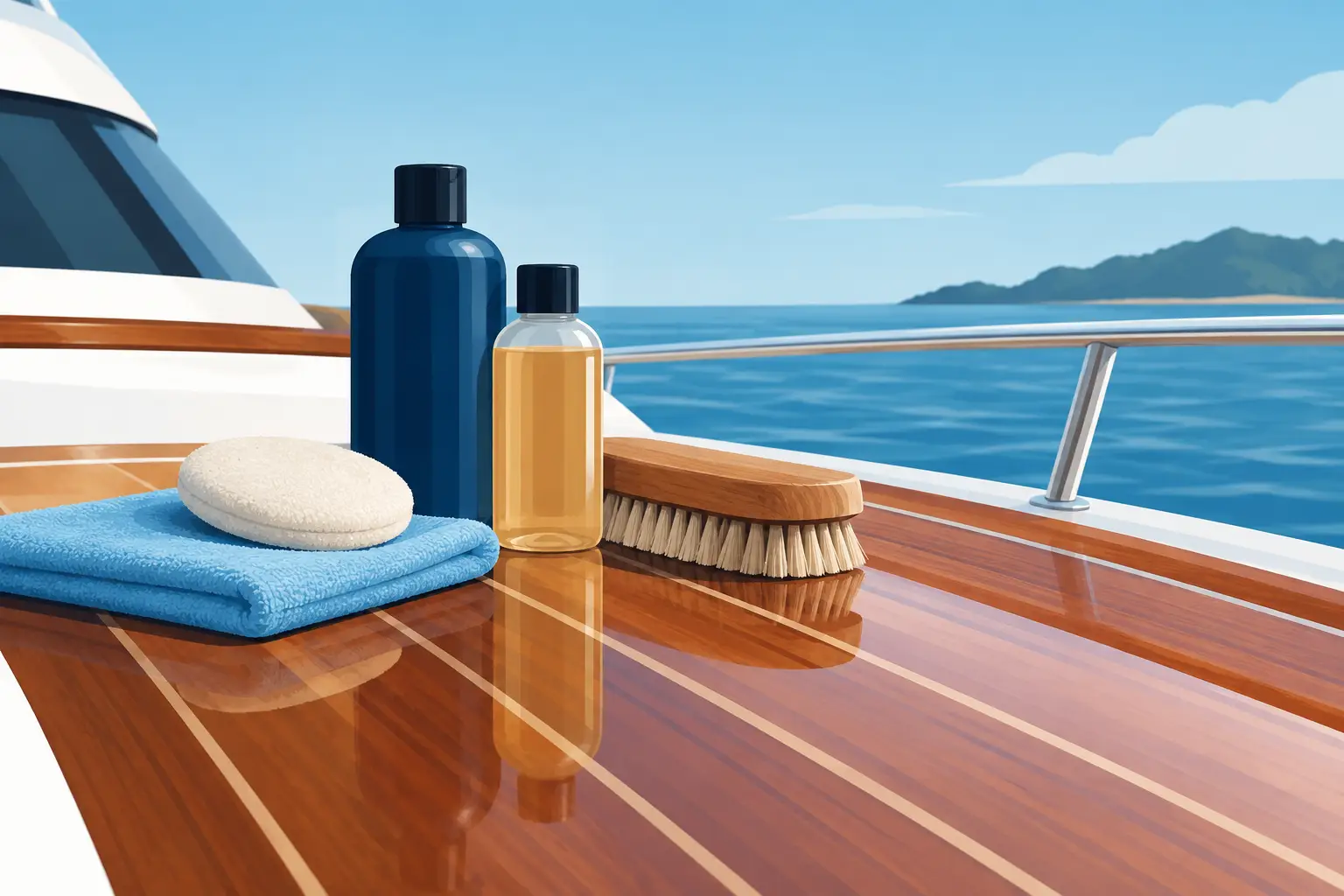
A custom wood surface earns its place through daily use: the morning coffee set on a kitchen island, glasses gathered along a bar top, family dinners at a dining table. This marine finish care guide helps you protect that lived-in beauty without turning routine maintenance into a complicated project. With the right habits, a durable Marine Finish keeps wood looking rich, clean, and ready for the moments that happen around it.
Marine Finish is designed to provide a strong, stain-resistant layer of protection while allowing the natural character of the wood to remain central to the design. It is an excellent choice for hardworking countertops, tabletops, bar tops, and other custom wood surfaces. Like every quality finish, however, it performs best when it is cared for thoughtfully.
What Marine Finish Protects Against
A professionally applied Marine Finish creates a durable barrier between the wood and the spills, fingerprints, and daily handling that come with a well-used surface. It helps resist common household and hospitality challenges, including moisture, food and beverage spills, and ordinary surface wear.
That protection is substantial, but it is not a reason to treat a wood top like stone or stainless steel. Wood is a natural material with movement, grain variation, and warmth that manufactured surfaces cannot duplicate. Its finish should be respected accordingly.
The practical distinction is simple: wipe up spills rather than leaving them to sit, use protection under extreme heat, and clean with products that preserve the finish instead of gradually dulling it. These small choices safeguard both the finish and the handcrafted material beneath it.
Daily Cleaning for Marine-Finished Wood
For routine cleaning, start with a soft, damp microfiber cloth. Wipe away crumbs, dust, and light spills, then dry the surface with a separate clean cloth. This simple process is usually all a well-maintained wood surface needs.
For food residue or a more thorough wipe-down, use a small amount of mild dish soap in warm water. The cloth should be damp, not dripping wet. Clean the affected area, follow with a fresh damp cloth to remove any soapy residue, and dry promptly.
Avoid allowing water to pool at seams, near sinks, around faucet bases, or beneath items that remain in one place for long periods. Marine Finish offers excellent moisture resistance, but standing water is demanding on any wood surface over time. A dry, clean surface is always the best finish-care habit.
What Not to Use
The wrong cleaner can leave a hazy film, reduce the finish’s luster, or create fine scratches. Skip abrasive powders, scouring pads, steel wool, and rough sponges. Avoid cleaners containing bleach, ammonia, strong solvents, acetone, or aggressive degreasers.
Oil soaps, furniture polishes, and waxes are also usually unnecessary on a marine-finished surface. They can create buildup that attracts dust, changes the sheen, or makes future professional touch-ups more difficult. A mild soap-and-water solution is more effective than a cabinet full of specialty products.
If you are considering a new cleaning product, test it on an inconspicuous area first. This is especially wise in commercial settings, where sanitation routines may be more frequent and cleaners may be selected for other surface types.
Fast Spill Response Makes a Difference
A glass of water is rarely a concern when it is wiped up promptly. The same is true of most everyday spills. The issue is not a single moment of contact but prolonged exposure, particularly with deeply pigmented, acidic, sugary, or oily materials.
Red wine, coffee, tomato sauce, citrus, vinegar, cooking oil, ink, and dark spirits deserve quick attention. Blot the spill with a soft cloth rather than rubbing it outward. Clean the area with mild soapy water if needed, wipe again with a clean damp cloth, and dry thoroughly.
Do not leave wet dish towels, damp sponges, flower vases, or sweating beverage glasses directly on the wood for extended periods. Use coasters under drinks and a tray or protective base beneath vessels that may collect condensation. These details preserve the finish while keeping a refined surface ready for entertaining.
Heat, Sharp Objects, and Everyday Use
Marine Finish is built for real life, but extreme heat can challenge virtually any decorative surface. Always place hot pans, baking dishes, slow cookers, and electric griddles on trivets or heat-resistant pads. Do not set cookware directly from the oven or stovetop onto a wood top.
Cutting directly on a finished countertop or table is not recommended. Knives can score the protective layer, leaving marks that catch the light and expose the finish to more wear. A quality cutting board protects the surface and gives you a better food-prep experience.
For desk tops, dining tables, and bar tops, be mindful of hard-edged décor, ceramic bases, and metal hardware. Felt pads under lamps, serving pieces, and accessories prevent accidental scratches when objects are moved. This is particularly useful on large statement tables, where the uninterrupted expanse of wood is part of the design.
Marine Finish Care Guide for Bars and Busy Homes
A residential island may see breakfast, homework, and dinner preparation in one day. A restaurant or home bar top can see hundreds of glasses, repeated cleaning, and more concentrated spill exposure. The care principles remain the same, but high-use surfaces benefit from a more disciplined routine.
For bar tops, wipe moisture after service and avoid leaving wet bar mats in place once they have been washed or exposed to heavy condensation. Use clean, nonabrasive cloths for regular cleaning and replace them frequently so grit is not transferred across the finish.
In busy kitchens, protect the areas nearest the sink, coffee station, and cooking zone. A drying rack with a ventilated base is preferable to a saturated towel laid on the counter. Place a protective board under countertop appliances that generate heat or vibration, particularly if they remain in one location every day.
The right routine should support the way you use the space, not make the space feel precious. Brooks Custom creates wood surfaces to be enjoyed, and thoughtful care allows them to develop a lasting presence without unnecessary worry.
Keep the Finish Looking Consistent
Sunlight can alter the color of wood over time, whether the surface is finished or unfinished. Direct, intense sun may gradually deepen or lighten some species and can create uneven color where objects remain in the same spot for years. Window treatments, UV-filtering glass, or occasionally shifting decorative pieces can help the surface age more evenly.
Humidity also matters. Wood naturally responds to seasonal changes in indoor conditions. Maintaining a relatively stable home environment helps reduce dramatic expansion and contraction, particularly in regions with cold winters and dry indoor heat.
A consistent sheen comes from consistent care. Dust with a soft cloth, clean gently, dry the surface after washing, and avoid products that leave residue. If one section looks duller than another, first rule out cleaner buildup by wiping it with a clean damp cloth and drying it completely.
When to Ask About Professional Maintenance
Normal signs of use are part of a well-loved wood surface. Fine marks, subtle patina, and modest changes in tone often add depth rather than detract from the piece. But deeper scratches, chips, persistent cloudiness, or areas where the finish appears worn through should be addressed before moisture reaches the wood.
Do not attempt to sand or refinish a small area without guidance. Spot repairs can change the sheen or create visible transitions, especially on broad countertops and tables where light reflects across the entire surface. A project-specific recommendation is the best route because wood species, stain color, sheen level, and the nature of the damage all affect the repair approach.
When requesting guidance, take clear photos in natural light and note where the issue is located, what caused it, and how long it has been present. That information makes it easier to determine whether the surface needs a careful cleaning, a localized repair, or professional refinishing.
A marine-finished wood surface should feel like a confident part of your home or hospitality setting, not an object that must be kept out of reach. Treat it with the same care you would give any finely made material, and it will continue to bring warmth, character, and durable function to the spaces where people gather.